
The Most Underrated Stop on Any Vacation…
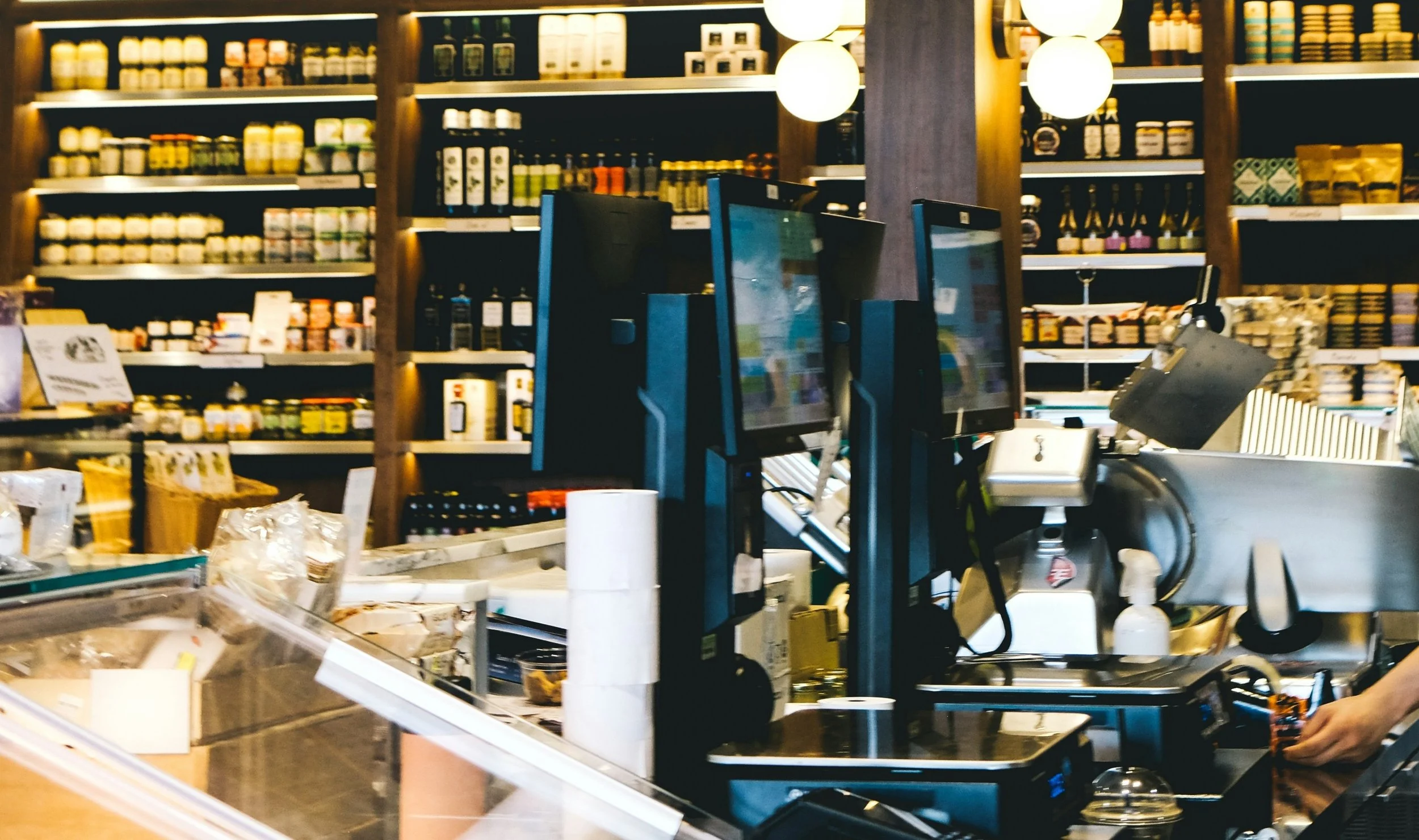
I’ve always loved a grocery store. But ducking into one in abroad is different altogether. You hit the landmarks, eat at the recommended restaurants, explore until your feet hurt, but the grocery story is another level of culture completely.
Not because anything dramatic happens. Because everything you see is quietly and completely different from home.
What you actually find in the aisles
A grocery store is a place built for locals, by locals, with zero performance for tourists. There's no curated "experience." Nobody is selling you a version of the culture — you're just standing in the middle of how people actually live.
Walk the aisles and you start noticing things a museum or a restaurant menu would never show you:
What's actually in the fridge. Not the romanticized national dish. The yogurt brands, the cheap house wine, the weeknight pasta sauce everyone buys because it's good and it's three euros.
What "breakfast" really means. In some places it's pastries and instant coffee. In others, it's bread, cheese, and cold cuts laid out like a small feast. You learn this faster from a dairy aisle than from any guidebook.
How people dress on an ordinary Tuesday. Not the postcard version, the actual mix of work clothes, errand-running outfits, and what passes for "casual" in that culture. Tourist areas show you costumes. Grocery stores show you wardrobes.
The rhythm of daily life. Who's shopping at 8am versus 6pm. Whether people come with big carts for the week or small baskets for the day. Whether shopping is a solo errand or a family outing.
What's considered a treat versus a staple. The size of the chocolate aisle versus the size of the produce section tells you something real about a place's relationship with food.
None of this is dramatic. That's exactly the point: it's unscripted, and unscripted is rare when you're traveling.
Why this beats most "cultural" tourist activities
Most cultural experiences experienced by travelers are, by design, performances. A flamenco show, a tea ceremony, a folk dance. These are often genuinely beautiful, but they're staged for you. They're culture as exhibit.
A grocery store is culture as it actually functions, with the tourist removed from the equation entirely. You're not being shown something. You're just present for something that was already happening before you walked in and will keep happening after you leave.
It's also one of the only places where you can compare, side by side, the texture of daily life: prices, portion sizes, what's considered fresh versus packaged, how much is locally grown versus imported. You start to understand a country's economy and habits in a way no walking tour will give you.
How to actually do this on your next trip
A few ways to make the most of it, without it feeling like homework:
Go on day one or two, before you've adjusted - the contrast with home is sharpest early.
Skip the souvenir shops near tourist sites. Find the grocery store locals actually use, usually a few blocks off the main strip.
Buy something you don't recognize. A snack, a drink, a sauce. Cheap curiosity tax, often the best five euros you'll spend.
Notice the bakery and produce sections first - they tend to be the most distinctly local part of any store.
Watch, don't just shop. Give yourself permission to linger for ten minutes without buying anything. You're there to observe as much as to purchase.
The takeaway
The landmarks will always be there, and they're worth seeing. But if you want a real, unfiltered sense of a place, ie how people eat, dress, move through their day, skip the tourist trap for twenty minutes and walk into the nearest grocery store instead.
It's free. It's unscripted. And it might tell you more about a culture than anything else on your itinerary.